Sino-adhesive 
Guangdong Sino-Adhesive New Material Technology Co.,Ltd.

With the continuous evolution of the automotive industry toward lightweight design, electrification, and high-performance interiors, automotive interior systems are undergoing significant transformation. Components such as dashboards, door panels, seats, headliners, and electronic modules require advanced bonding technologies that can meet strict structural, aesthetic, and environmental requirements.
In this context, polyurethane reactive adhesive (PUR adhesive / PUR hot melt glue) has become one of the most important materials in automotive interior manufacturing. Compared with traditional solvent-based adhesives and mechanical fastening methods, PUR adhesive offers superior bonding strength, weight reduction potential, and long-term durability.
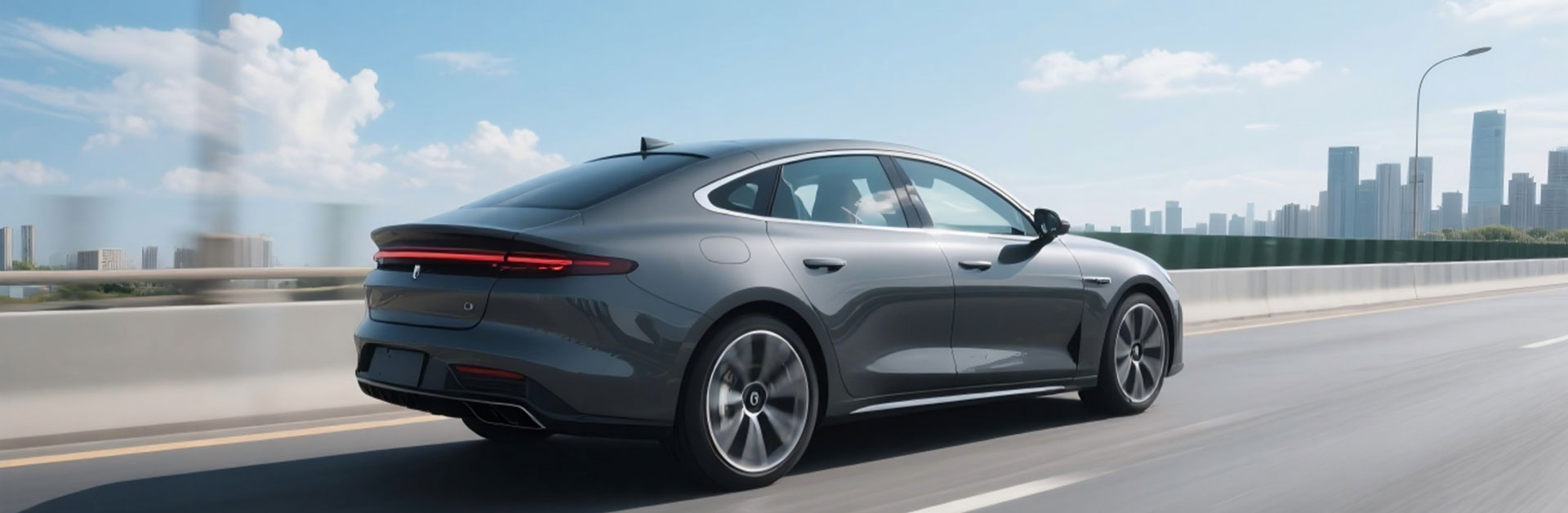
Automotive interior systems require adhesives that can meet complex performance demands:
Traditional adhesive solutions often struggle to maintain stability across multi-material bonding and long-term usage conditions.
After curing, PUR adhesive forms a cross-linked polymer network, providing:
This makes it ideal for complex interior assemblies involving multiple substrates.
Lightweight design is a key trend in the automotive industry. PUR adhesive helps reduce vehicle weight by:
This is especially important for electric vehicles, where weight reduction directly improves driving range.
Automotive interiors are exposed to high temperatures and UV radiation. PUR adhesive offers:
This ensures long-term appearance and structural integrity.
PUR adhesive is compatible with a wide range of automotive interior materials, including:
This makes it ideal for modern modular interior design systems.
PUR adhesive is widely used in dashboard systems for:
It enhances precision, stability, and overall aesthetic quality.
Door panels are among the most complex interior components. PUR adhesive is used for:
It improves comfort, noise reduction, and structural strength.
In automotive seating systems, PUR adhesive is applied for:
It improves durability and passenger comfort.
PUR adhesive plays a key role in lightweight interior laminates:
| Performance | Solvent-Based Adhesive | PUR Adhesive |
|---|---|---|
| Bond Strength | Medium | High structural strength |
| Lightweight Capability | Limited | Excellent |
| Heat Resistance | Weak under high temperature | Stable |
| Environmental Performance | High VOC emissions | Low VOC, eco-friendly |
| Material Compatibility | Limited | Wide compatibility |
PUR adhesive clearly outperforms traditional solutions in modern automotive interior applications.
The automotive industry is driving rapid innovation in adhesive technologies. Key trends include:
As electric vehicles continue to grow, demand for high-performance adhesives will further increase.
To ensure optimal bonding performance, several process parameters must be controlled:
Proper process control ensures high product consistency and production efficiency.
It can bond plastics, foam, textiles, leather, and metal materials.
Yes, it is widely used in EV interior systems due to its lightweight and high-performance properties.
Yes, it has low VOC emissions and meets modern environmental standards.
High-quality PUR adhesives have low odor characteristics and are suitable for cabin environments.
Polyurethane reactive adhesive (PUR adhesive) is becoming a core material in automotive interior manufacturing. It not only enhances bonding strength and durability but also supports lightweight design and high-performance vehicle interiors.
Sinohesive PUR in the development and production of high-performance polyurethane reactive adhesives for industrial applications.
Our products are widely used in:
We provide:
customized adhesive solutions for global customers







 中文
中文 English
 한국어
한국어 にほんごばん
 Français
 Deutsch
 Español
 Русский язык
 بالعربية
 português
 Italiano
 Tiếng
Việt
Tiếng
Việt คนไทย
คนไทย


